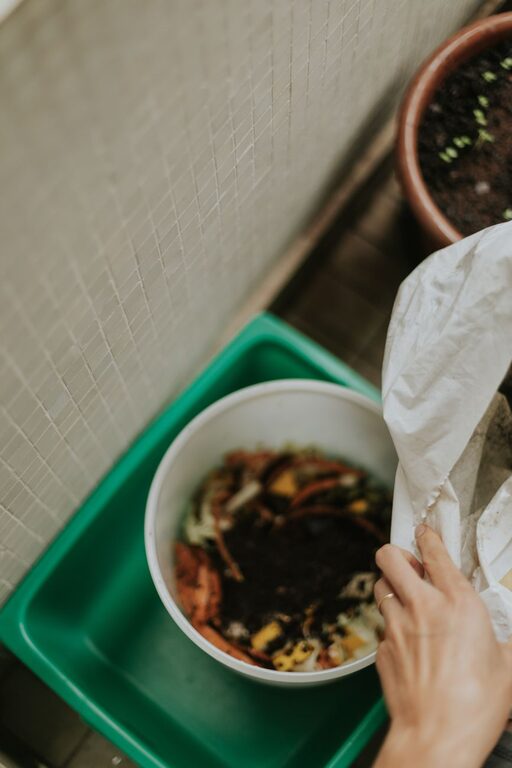
Composting at home is a simple way to turn everyday food scraps and yard waste into a useful soil amendment. Instead of sending organic materials to the trash, you can let them break down naturally and use the finished compost in gardens, planters, and around trees.
You do not need a large yard or special equipment to begin. With the right container, a balanced mix of materials, and a little patience, almost anyone can start composting.
What Is Composting?
Composting is the natural process of breaking down organic materials into a dark, crumbly material called compost. Tiny organisms, insects, moisture, air, and warmth all help transform items such as fruit peels, leaves, and grass clippings.
Finished compost can:
– Improve soil structure
– Help soil hold moisture
– Support healthy plant growth
– Reduce household waste
– Provide an alternative to chemical soil additives
Composting is not the same as simply collecting food scraps. A successful compost pile needs the right balance of ingredients and enough air and moisture to support decomposition.
Choose the Right Composting Method
Your available space, time, and household habits can help you choose a composting method.
Outdoor Compost Bin
An outdoor bin is a good option if you have a yard. You can buy a ready-made bin or create a simple compost area using wire mesh, wooden boards, or other suitable materials.
Place the bin on bare soil when possible. This allows helpful organisms and insects to enter from below. Choose a location with some shade and good drainage. Too much direct sun can dry out the pile, while a low, wet area may cause unpleasant odors.
Tumbler
A compost tumbler is a sealed container that rotates. Turning the container can be easier than using a garden fork, and tumblers often make composting practical for smaller yards.
Because tumblers may dry out quickly or become packed with wet scraps, check the moisture and balance of materials regularly.
Indoor Worm Bin
A worm bin, also called vermicomposting, uses special composting worms to break down food scraps. This method works well for apartments, balconies, and homes without outdoor space.
Worm bins require a suitable container, bedding, moisture control, and careful feeding. Avoid placing the bin in extreme temperatures, and use only materials that are appropriate for worms.
Community Composting
If home composting is not practical, look for a local community program or food scrap collection service. Some neighborhoods, farmers markets, and community gardens accept organic waste.
Learn the Two Main Material Groups
A balanced compost pile usually contains a mix of “browns” and “greens.”
Browns
Browns are carbon-rich materials. They add structure and help keep the compost pile from becoming too wet or compacted.
Common browns include:
– Dry leaves
– Plain cardboard
– Shredded paper
– Untreated wood chips
– Straw
– Small twigs
– Paper egg cartons
Tear or cut larger materials into smaller pieces so they break down more quickly. Avoid glossy paper, heavily colored paper, and cardboard with plastic coatings.
Greens
Greens are nitrogen-rich materials that help fuel decomposition.
Common greens include:
– Fruit and vegetable scraps
– Coffee grounds
– Tea leaves or plain tea bags
– Fresh grass clippings
– Young weeds without seeds
– Plant trimmings
– Small amounts of fresh manure from plant-eating animals
A simple approach is to add several handfuls of browns whenever you add a container of food scraps. The exact ratio does not need to be perfect, but compost should contain more brown material by volume than green material.
What Not to Put in Compost
Some materials can attract pests, create odors, spread disease, or break down very slowly. Unless your local composting program specifically accepts them, keep these items out of a basic home compost pile:
– Meat and fish
– Bones
– Dairy products
– Oils and greasy foods
– Pet waste
– Diseased plants
– Weeds carrying mature seeds
– Treated or painted wood
– Plastic
– Glass
– Metal
– Chemical products
– Glossy or coated paper
Citrus scraps are generally acceptable in a regular compost pile when added in moderate amounts. However, avoid adding large quantities at once, especially in a small worm bin.
Build Your Compost Pile Correctly
Start with a layer of coarse brown material, such as small twigs or dry leaves. This helps air move through the bottom of the pile.
Next, add alternating layers of browns and greens. Cover fresh food scraps with a layer of browns each time you add them. This helps reduce flies and odors.
Cut large scraps into smaller pieces before adding them. Smaller pieces have more surface area, which helps microorganisms break them down faster.
Do not pack the pile tightly. Loose materials allow air to circulate, while a compacted pile can become slow and unpleasant.
Maintain the Right Moisture Level
A compost pile should be damp, similar to a wrung-out sponge. It should not be dripping wet or dusty dry.
If the pile is too dry:
– Add a small amount of water
– Mix in fresh fruit and vegetable scraps
– Add moist grass clippings in moderation
If the pile is too wet:
– Add dry leaves, shredded cardboard, or torn paper
– Turn the pile to improve airflow
– Remove any standing water nearby
Moisture levels can change with the weather. Check the pile after heavy rain or during long periods of dry heat.
Turn the Compost Regularly
Turning mixes the materials, adds oxygen, and helps break down compacted areas. Use a garden fork, shovel, or compost tumbler to move the outside materials toward the center.
For a basic home pile, turning it every one to two weeks is a helpful starting point. You do not need to turn it every day. If the pile smells bad or seems slow, turning it and adding more dry browns may help.
A healthy compost pile may feel warm in the center. This is a normal sign that decomposition is active.
Solve Common Composting Problems
Bad Odor
A strong rotten smell usually means the pile is too wet, too compacted, or overloaded with green materials. Add dry browns, mix the pile, and make sure air can circulate.
Fruit Flies
Fruit flies are often attracted to exposed food scraps. Bury scraps in the center of the pile and cover them with leaves, soil, or shredded cardboard.
Slow Decomposition
A pile may break down slowly if it is too dry, too cold, or made from large pieces. Add moisture, chop materials smaller, and mix the pile. During colder months, decomposition naturally slows down.
Pests
Uncovered food scraps and prohibited materials can attract unwanted animals. Use a secure bin, keep scraps covered, and avoid meat, dairy, oils, and bones in a basic backyard pile.
Know When Compost Is Finished
Finished compost is usually dark brown, crumbly, and earthy-smelling. You should not be able to recognize most of the original materials.
Depending on the materials, weather, and method, compost may take several months or longer to finish. Letting it mature for a little extra time can improve its texture.
Use finished compost by mixing a small amount into garden soil, adding it around established plants, or spreading a thin layer over planting beds. Avoid planting directly in pure compost, since plants generally grow best in a balanced soil mixture.
Start Small and Stay Consistent
The easiest way to succeed is to begin with a manageable system. Keep a small container in the kitchen for food scraps, store dry leaves or shredded cardboard nearby, and add materials regularly.
Do not worry about creating perfect compost right away. Small adjustments to moisture, airflow, and the balance of browns and greens will help you learn what works in your home. With simple habits and regular attention, composting can become an easy part of your daily routine.
About the Author