
A dark room can feel smaller, colder, and less inviting than it really is. Fortunately, you do not need a major renovation to make it feel brighter. A few thoughtful changes to lighting, color, furniture, and decor can reflect more light and create a warmer atmosphere.
Whether you are updating a bedroom, living room, hallway, or home office, these simple ideas can help you make the most of the light you have.
Start With the Lighting
The fastest way to brighten a dark room is to improve its lighting plan. One ceiling fixture is rarely enough, especially in a larger room or a space with few windows. Instead, use several light sources at different heights.
Layer the light
Try combining:
– Overhead lighting for general brightness
– Floor or table lamps for a soft glow
– Wall lights for focused illumination
– Task lighting for reading, working, or hobbies
– Accent lights to highlight artwork or shelves
Using multiple fixtures helps spread light throughout the room and prevents dark corners. Place lamps near seating areas, beside the bed, or on a console table. A small lamp can make a noticeable difference in an otherwise shadowy space.
Choose the right bulbs
Light bulb color affects how a room feels. Soft white bulbs create a warm, comfortable look, while bulbs labeled daylight provide a brighter, cooler appearance. For most living spaces, a neutral or soft white bulb offers a good balance.
Also check the brightness rating. A fixture with a low-output bulb may not provide enough light for the room. Use dimmable bulbs where possible so you can adjust the atmosphere throughout the day.
Use Mirrors to Reflect Light
Mirrors can make a room appear brighter and more spacious by reflecting both natural and artificial light. Hang one across from a window to bounce daylight around the room, or place it near a lamp to spread its glow.
A large mirror creates the strongest visual effect, but several smaller mirrors can work well too. Consider a group of decorative mirrors on one wall, a mirrored cabinet, or furniture with reflective details.
For the best results, keep the area in front of the mirror relatively open. If it reflects a cluttered corner, the room may feel busier rather than brighter.
Brighten the Walls
Wall color has a major effect on how much light a room seems to have. Light shades such as white, cream, pale gray, soft beige, and light blue can help reflect available light.
Choose a warm light color
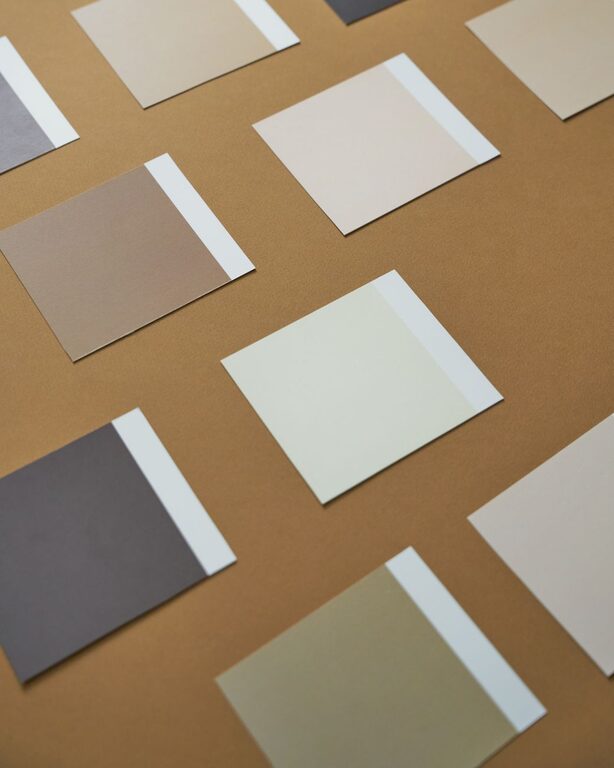
Pure white can sometimes feel cold in a room with limited natural light. A warm white or light neutral often creates a more comfortable result. Before painting, test a few samples on different walls. Colors can look different depending on the time of day and the type of artificial lighting in the room.
You do not have to repaint every wall. An accent wall in a light color can refresh the space, while painting the ceiling a bright shade can make it feel taller and more open.
Keep the trim bright
Clean, bright trim around windows and doors can add contrast and help the room look fresher. If the trim is scuffed or yellowed, a new coat of paint may make a bigger difference than expected.
Make the Most of the Windows
Heavy curtains and crowded windows can block valuable daylight. Replace thick drapes with lightweight curtains in a pale color. Sheer panels allow sunlight to enter while still adding privacy.
Hang curtain rods slightly above the window frame and extend them beyond the sides. This makes the window appear larger and allows the curtains to sit outside the glass when open.
Keep windows clean, and avoid placing tall furniture directly in front of them. Even a small amount of extra daylight can make a dark room feel more cheerful.
Add Light-Colored Textiles
Large surfaces such as rugs, bedding, sofas, and curtains strongly influence the overall mood of a room. If these items are very dark, they can absorb light and make the space feel heavier.
Try adding:
– A cream or light gray rug
– Pale cushions or throws
– Light bedding
– Curtains in white, beige, or another soft shade
– A lighter slipcover for a sofa or chair
You do not need to replace everything at once. Start with one large item, such as a rug or bedspread, and build from there. Textures such as cotton, linen, and woven fabric can keep light colors from looking flat.
Reduce Visual Clutter
A crowded room often feels darker, even when it has enough light. Too many objects can interrupt the flow of light and make the space appear smaller.
Clear unnecessary items from shelves, window areas, and tabletops. Group decorative pieces instead of spreading them across every surface. Leave some open space around furniture so light can move more freely.
Storage can also help. Baskets, cabinets, and storage ottomans keep everyday items organized without adding visual noise. A tidy room usually feels brighter and more relaxing.
Choose Furniture Carefully
Dark, bulky furniture can dominate a dim room. If replacing furniture is not practical, balance it with lighter accessories and open space.
When adding new pieces, look for furniture with:
– Light wood finishes
– Glass or reflective surfaces
– Slim legs
– Open shelving
– Pale upholstery
– Simple, streamlined shapes
Furniture with visible space beneath it can make more of the floor visible, helping the room feel less crowded. Glass coffee tables and open-frame shelving can also preserve a sense of lightness.
Add Reflective Finishes
Small reflective details can help distribute light around the room. Consider using glass, polished metal, glossy ceramic, or lightly reflective finishes in moderation.
Good options include:
– A glass tabletop
– Metallic picture frames
– A ceramic lamp base
– A glossy vase
– Decorative objects with a subtle sheen
The goal is not to make every surface shiny. A few reflective accents are usually enough to add brightness without making the room feel overly polished.
Bring in Greenery
Plants do not create light, but they can make a dark room feel more lively and welcoming. Choose plants that suit the room’s available light, and place them where they will not block windows or lamps.
If the space receives very little natural light, consider low-light varieties or realistic artificial plants. Light-colored pots can add another bright accent and help tie the decor together.
Use Artwork to Add Energy
Artwork is an easy way to introduce brighter colors without changing the entire room. Look for prints or photographs with light backgrounds, open landscapes, or cheerful accent colors.
A large piece can serve as a focal point, while a small gallery wall can add personality. Use light frames or frames that match other finishes in the room to keep the arrangement cohesive.
Avoid covering every wall. Leaving some wall space open helps the room feel less crowded and allows the brighter pieces to stand out.
Finish With Small Changes
You can often brighten a room in one afternoon by focusing on a few high-impact updates:
- Clean the windows and light fixtures.
- Replace dim or outdated bulbs.
- Move furniture away from windows.
- Add a mirror opposite a light source.
- Remove unnecessary clutter.
- Introduce one light-colored textile.
- Add a lamp to a dark corner.
- Use a few reflective or colorful accessories.
The best results usually come from combining several small improvements rather than relying on one dramatic change. With better lighting, lighter surfaces, open space, and thoughtful decor, even a room with limited natural light can feel fresh, comfortable, and inviting.
About the Author