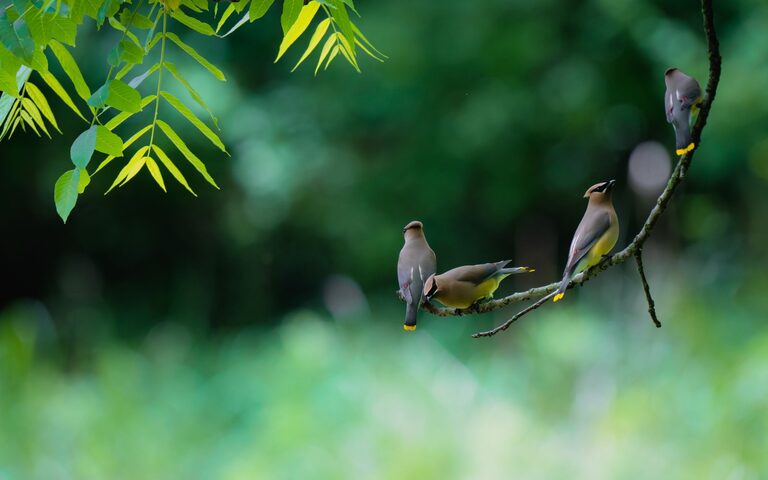
Backyard birdwatching is an easy and rewarding way to spend more time outdoors. You do not need expensive equipment, a large yard, or expert knowledge to get started. With a few simple supplies and some patience, you can begin noticing the birds that live near your home throughout the year.
Birdwatching can be as simple as watching from a kitchen window or sitting quietly in a garden. The more often you look, the more likely you are to notice seasonal visitors, familiar behaviors, and differences between bird species.
Start With the Birds You Already Have
Before buying supplies, spend a few minutes observing your yard, balcony, or nearby green space. Look for birds in trees, shrubs, gardens, fences, and open areas. Notice where they feed, drink, rest, and fly.
Keep track of a few basic details:
– The bird’s size and shape
– Main colors and markings
– Beak size and shape
– Where the bird is located
– What the bird is doing
– The time of day you saw it
– Any sounds it made
You may not identify every bird right away, and that is completely normal. Learning to recognize common local birds is a gradual process. Start with one or two species and build your knowledge over time.
Choose a Comfortable Viewing Spot
A good viewing spot should be comfortable, quiet, and close enough for you to see the birds clearly. A window with a view of trees, shrubs, or a garden can work well. If you prefer to sit outdoors, choose a shaded area where birds are less likely to notice your movements.
Try to avoid standing directly in the open near a feeder. Sudden movement can make birds fly away. Instead, sit quietly and move slowly when you need to adjust your position.
For a simple backyard setup, consider adding:
– A comfortable chair
– A small notebook
– Binoculars
– A field guide or bird identification app
– A water bottle
– A hat or light jacket for outdoor comfort
Birdwatching often involves waiting, so comfort can make the experience much more enjoyable.
Use Binoculars When You Are Ready
You can begin birdwatching without binoculars, but they make it easier to see details from a distance. A general-purpose pair with moderate magnification is usually a good choice for beginners. Very powerful binoculars may be harder to hold steady and can make it difficult to follow moving birds.
When using binoculars, first find the bird with your unaided eyes. Then bring the binoculars to your face without taking your eyes off the bird. This simple habit helps you locate birds more quickly.
Practice focusing on stationary objects before trying to follow birds in flight. You may also want to use the binoculars from a window or chair until you feel comfortable.
Provide Food Carefully
Bird feeders can bring birds closer to your viewing area, but they need regular care. Choose a feeder that is easy to fill and clean. Place it where you can see it clearly but where birds have some nearby shelter, such as shrubs or small trees.
Keep feeders away from locations where predators can easily hide. At the same time, birds should have a safe place to retreat if they feel threatened.
Common food choices include:
– Black oil sunflower seeds
– Safflower seeds
– Millet
– Nyjer seeds for some finches
– Suet in suitable weather conditions
Different birds prefer different foods, so you may need to try a few options. Buy small amounts at first and see which foods attract birds in your area.
Avoid offering spoiled, damp, or moldy food. If birds are not eating a particular type of seed, remove it and try something else. Never add seasoned kitchen leftovers, salty foods, or foods that may be unsafe for birds.
Keep Feeders Clean
Clean feeders help reduce the spread of illness among birds. Empty old food and wash feeders regularly, especially during warm or wet weather. Follow the cleaning instructions for your feeder, and allow it to dry fully before refilling it.
Sweep away seed hulls and other debris from the ground beneath feeders. If the area becomes heavily soiled, move the feeder to a new location and clean the old spot.
A simple routine can include:
- Checking feeders every few days
- Removing wet or spoiled food
- Washing feeders regularly
- Cleaning the area underneath
- Refilling with fresh food
If you notice several sick or unusually inactive birds, temporarily remove feeders and water sources, then clean them thoroughly before putting them back.
Add Water to Your Yard
Birds need clean water for drinking and bathing. A shallow birdbath can be an effective addition to a backyard, patio, or balcony. Place it in an open area where birds can watch for danger, with a shrub or tree nearby for cover.
The water should be shallow enough for small birds to stand safely. Change it regularly, and scrub the basin to remove dirt and algae. In freezing weather, check the birdbath often and remove ice when practical.
A simple dish can work as long as it is stable, clean, and safe. Avoid deep containers with slippery sides.
Grow Bird Friendly Plants
Plants can provide natural food, shelter, and nesting locations. Native plants are often a helpful choice because they are adapted to local conditions and may support insects and seeds that birds use.
Consider adding a mix of:
– Shrubs for cover
– Trees for nesting and resting
– Seed producing flowers
– Berry producing plants
– Plants with dense branches
– Ground cover for small birds
Try to include plants with different heights and flowering or fruiting seasons. This creates a more useful habitat throughout the year. Avoid using chemicals around feeding and nesting areas whenever possible, and choose gardening methods that protect birds and other wildlife.
Learn Bird Identification Step by Step
Bird identification becomes easier when you focus on several features instead of color alone. Lighting can change how a bird’s colors appear, while shape and behavior are often more reliable clues.
Ask yourself:
What Is the Bird’s Shape?
Is it round and compact, slim and upright, or long-tailed? Does it have a short, thick beak or a long, narrow one?
How Does It Move?
Does it hop on the ground, climb tree trunks, hover near flowers, or sweep through the air? Movement can help separate similar-looking species.
What Does It Sound Like?
Bird calls can be difficult at first, but repeated listening helps. Begin by learning the sounds of common birds in your neighborhood.
Where Did You See It?
Some birds spend most of their time near the ground, while others prefer tree branches, open lawns, or water. The habitat provides another useful clue.
Use a field guide or trusted identification app to compare your observations. Take a photo when possible, but do not chase or disturb a bird for a better view.
Protect Birds Around Your Home
Windows can be dangerous for birds because reflections make glass look like open sky. If birds frequently strike a window, use visible decals, exterior screens, shades, or other window treatments that break up the reflection.
Keep cats indoors or use a secure outdoor enclosure. Free-roaming cats can pose a serious risk to birds and other wildlife.
During nesting season, observe from a distance. Avoid touching nests, eggs, or young birds unless a qualified wildlife professional gives specific guidance. If a young bird is on the ground and appears alert, its parents may still be nearby.
Keep a Birdwatching Journal
A journal turns casual observations into a rewarding long-term hobby. Record the date, location, weather, species, and any interesting behavior. You can also note which plants were blooming or which foods were available.
Over time, your notes may reveal patterns, such as when certain birds arrive, which species visit in winter, or what time of day your yard is busiest.
Be Patient and Enjoy the Process
Birdwatching is not a competition. Some days may bring many birds, while other days may be quiet. Sitting still and observing carefully is part of the experience.
Start with simple goals, such as identifying three common birds or spending ten quiet minutes outside. As your skills grow, you can explore new habitats, join local birdwatching groups, or take part in community bird counts.
The most important beginner tip is to pay attention. A small patch of backyard can offer plenty to discover when you slow down and give the birds time to appear.
About the Author