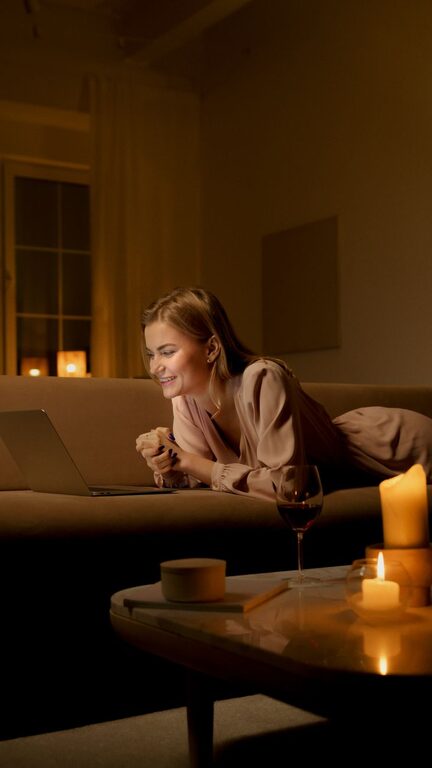
A screen-light evening is a simple way to make more room for rest, conversation, hobbies, and quiet time. The goal is not to avoid every device perfectly. Instead, it is to create a few intentional hours when screens are less central to your evening.
With a little planning, you can build a routine that feels enjoyable rather than restrictive. Whether you want to read, cook, spend time with family, or simply slow down, the best screen-light evening is one that matches your lifestyle.
Decide What “Screen Light” Means to You
Before planning your evening, define what you want to change. A screen-light evening can mean different things for different people.
You might choose to:
– Turn off entertainment screens after dinner
– Keep your phone in another room for an hour
– Avoid social media but continue using a device for music
– Watch one planned program instead of browsing
– Use screens only for essential tasks
– Create a completely screen-free evening
There is no single correct approach. A flexible plan is easier to follow than a strict rule that does not fit your daily responsibilities.
Consider which screens tend to take up the most time without adding much value. For some people, that may be short videos or social media. For others, it may be constant news updates, online shopping, or repeated checking of messages. Start with one habit instead of trying to change everything at once.
Choose a Start and End Time
A clear time frame gives your evening structure. Choose a starting point that feels realistic, such as after dinner, after finishing household tasks, or at 7:30 p.m.
You can also decide when the screen-light period will end. For example, you might plan a two-hour break before returning to a device for a final check of your calendar or messages.
When choosing your time, think about:
– Your work or school schedule
– Family routines
– Household responsibilities
– Your usual bedtime
– Any important calls or tasks
– How much free time you actually have
A shorter, consistent break is often more useful than an ambitious plan that is difficult to repeat. Even 30 minutes can create a noticeable change in the feel of an evening.
Prepare Before the Evening Begins
Screen use is often automatic. You sit down for a moment, open an app, and suddenly much more time has passed. Preparation helps you make a deliberate choice before that happens.
A few simple steps can make the transition easier:
- Finish urgent messages and tasks before the screen-light period begins.
- Tell household members about your plan if they may need to reach you.
- Put your phone on silent or use a suitable focus setting.
- Place devices somewhere visible but not within easy reach.
- Gather the materials you will need for your planned activities.
- Make a short list of alternatives before you turn off the screen.
For example, place a book on the coffee table, set out a puzzle, or prepare ingredients for a simple meal. When an activity is ready to begin, you are less likely to return to a device out of habit.
Plan One Main Activity
A screen-light evening does not need to be packed with activities. Choose one main thing you would genuinely enjoy.
Read Something You Have Been Saving
Reading is an easy choice because it requires little preparation. You might read a novel, a collection of essays, a magazine, or a cookbook. If you have trouble choosing, keep a small stack of options nearby and select the one that matches your mood.
Cook or Bake
Preparing food can give your evening a clear rhythm. Try making a recipe that is familiar enough to be manageable but interesting enough to hold your attention. You could also prepare part of the next day’s meal, make homemade snacks, or organize ingredients for breakfast.
Work on a Hands On Hobby
Hands-on activities provide a break from scrolling and browsing. Consider:
– Drawing or coloring
– Knitting or sewing
– Building a model
– Gardening or caring for houseplants
– Doing a jigsaw puzzle
– Practicing an instrument
– Writing in a journal
– Making a craft project
Keep your supplies in one container or on a small shelf so that starting does not feel like a major task.
Spend Time With Other People
A screen-light evening can be a good opportunity for simple connection. Play a board game, prepare dinner together, have a conversation, or take a short walk. If you live alone, call a friend, write a letter, or spend time in a shared community space.
The activity does not need to be elaborate. Often, the value comes from giving your full attention to the people around you.
Create a Comfortable Setting
Your environment can make screen-light activities feel more appealing. Adjust the room so it supports the mood you want.
You might:
– Use a lamp instead of bright overhead lighting
– Make tea or another favorite nonalcoholic drink
– Put on quiet background music
– Tidy one small area
– Light a candle if it is safe and suitable for your home
– Use a blanket or comfortable chair
– Open a window when the weather allows
These details create a clear transition between the busy part of the day and a slower evening. They can also make your chosen activity feel like something to look forward to.
Plan for Common Obstacles
Even a well-planned evening can be interrupted. Expecting a few challenges makes it easier to respond without abandoning the plan.
“I Need My Phone Nearby”
If you need to be reachable, keep your phone available for calls while reducing unnecessary distractions. You can turn off nonessential notifications, use a custom focus setting, or ask a trusted person to call twice if something is urgent.
“I Feel Bored”
Boredom often appears when you first reduce automatic screen use. Keep a short list of low-effort activities available, such as stretching, organizing a drawer, looking through a photo album, or listening to an album from beginning to end.
“I Have Too Many Tasks”
A screen-light evening should not become another source of pressure. Choose one small task, then allow yourself to stop. You might fold laundry while listening to music, prepare clothing for the next day, or write a simple plan for tomorrow.
“Other People Want to Watch Something”
The plan can be shared or adjusted. You might agree on one selected program instead of open-ended viewing, or spend part of the evening together and part of it on separate activities.
Use Screens Intentionally
A screen-light evening does not require avoiding every form of technology. The key is to choose your use instead of letting it choose for you.
Before using a device, ask:
– What do I want to do?
– How long will it take?
– Will it support the kind of evening I want?
– Is there a simpler offline option?
For example, you may decide to play a selected playlist, check tomorrow’s weather, or send an important message. Once that task is complete, return to your planned activity rather than continuing to browse.
End With a Simple Closing Routine
Give your evening a clear finish. Put away hobby supplies, wash the dishes, prepare your bag, or write down tomorrow’s top priorities. A short closing routine helps you avoid drifting back into random screen use.
You might also note what worked well and what you would change next time. Perhaps the starting time was too early, the activity was too difficult, or your phone needed to remain available. Adjust the plan without judging yourself.
Make It a Repeatable Habit
The most effective screen-light evening is one you can enjoy regularly. Start with one evening each week, then repeat the parts that feel useful. You can vary the activities so the routine stays fresh.
The purpose is not to follow a perfect schedule. It is to create more choice in how you spend your time. By setting a clear window, preparing a few alternatives, and choosing activities you enjoy, you can turn an ordinary evening into a calmer and more satisfying part of your week.
About the Author