Cooking a good dinner is satisfying, but cleaning up afterward can feel like a second meal to prepare. Pots, pans, cutting boards, dishes, and food scraps can quickly fill the kitchen. The good news is that a few simple habits can make cleanup faster and less stressful.
The goal is not to keep the kitchen perfectly clean while you cook. Instead, focus on preventing messes from growing, making useful progress along the way, and creating a short routine for the end of the meal.
Start With a Clear Workspace
Before you begin cooking, take a minute to clear the counters and sink. Put away clean dishes, move unnecessary items, and make sure you have room to work. A clear workspace makes cooking easier and gives you a place to set utensils, ingredients, and hot cookware.
You can also prepare a few basic items before turning on the stove:
– Place a trash can or compost container nearby.
– Set out a bowl for food scraps.
– Keep a clean dish towel within reach.
– Fill the sink or a basin with warm, soapy water.
– Gather the pans and utensils you expect to use.
This small setup can prevent you from searching for supplies while cooking and helps keep used items from piling up.
Read the Recipe Before You Begin
A quick review of the recipe can help you plan the cleanup. Look for steps that can be combined, dishes that can be reused, and equipment that may need soaking.
For example, if a recipe calls for chopped vegetables and later uses the same cutting board for cooked food, you may be able to wash it between steps rather than using several boards. If a sauce needs time to simmer, that may be a good opportunity to wash knives, measuring cups, or prep bowls.
Pay attention to the order of the steps, too. Preparing ingredients first and cooking them in a logical sequence often reduces spills and extra dishes.
Use Fewer Tools When Possible
Many recipes do not require every tool in the kitchen. Before grabbing a new bowl, spoon, or measuring cup, consider whether something you already used can serve another purpose.
Helpful ways to reduce dishes include:
– Measure several dry ingredients into one bowl when they will be added at the same time.
– Use one cutting board for ingredients that do not need separate preparation.
– Stir sauces with the same spoon throughout the recipe.
– Choose one large bowl instead of several small bowls for mixing.
– Use a measuring cup to pour liquids and mix simple ingredients.
Be mindful of food safety and recipe instructions when reusing tools. Items that touch raw meat, seafood, or eggs should be washed before they are used with ready-to-eat foods.
Clean While You Cook
Cleaning while you cook does not mean stopping after every step. It means using waiting time wisely and handling small messes before they become harder to manage.
While water boils or food cooks, you can:
– Put ingredients back in the pantry or refrigerator.
– Rinse measuring cups and utensils.
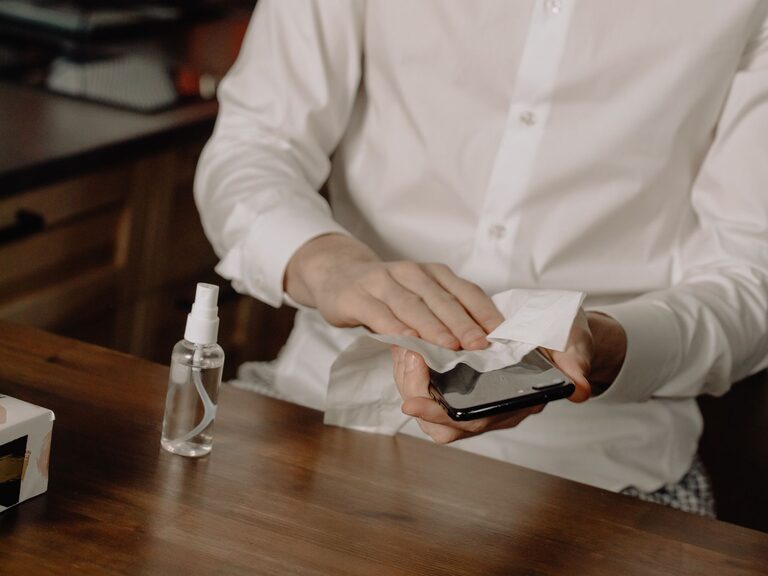
– Wipe spills from the counter.
– Load dirty dishes into the dishwasher.
– Empty food scraps into the trash or compost.
– Wash tools that you are finished using.
Keep an eye on food and use safe timing. Even two or three minutes of cleanup during a cooking pause can make the final cleanup much shorter.
Deal With Messes Right Away
Some spills and food remains are much easier to remove when they are fresh. A quick wipe can prevent a sticky counter or dried sauce from becoming a larger chore.
For stovetops, wait until the surface is safe to touch, then wipe away splatters. If food spills into the oven, follow the appliance maker’s cleaning instructions and avoid trying to scrub a hot surface.
For bowls, pans, and utensils with dried food, soaking is often more effective than scrubbing immediately. Fill the item with warm water and a little dish soap, then let it sit while you finish cooking or eating.
Choose Cookware That Simplifies Cleanup
The cookware you use can make a noticeable difference. Pans with smooth surfaces and sturdy, easy-to-clean materials are often simpler to wash than items with many grooves or hard-to-reach areas.
When selecting cookware for a weeknight meal, consider:
– Whether the pan is large enough to prevent spills.
– Whether it can go in the dishwasher.
– Whether it can be used for both cooking and serving.
– Whether the handles and corners are easy to clean.
– Whether the food is likely to stick or boil over.
A single pan meal can reduce cleanup, but only if the pan is large enough and the cooking steps work well together. Avoid overcrowding, which can cause spills and uneven cooking.
Make the Dishwasher Work Efficiently
If you use a dishwasher, load it as you go rather than waiting until the end. Scrape off large food pieces, then place items where water can reach them. Keep sharp tools pointed safely and follow the dishwasher’s instructions for items that should be hand-washed.
Do not force too many dishes into one load. An overloaded dishwasher may leave items dirty, creating more work later. It also helps to keep a small collection point near the sink for dishes that are waiting to be loaded.
If you wash dishes by hand, start with the cleanest items first, such as glasses and utensils. Move on to plates, bowls, and cooking tools, then finish with greasy pans. This keeps the wash water cleaner for longer.
Keep a Cleanup Bowl Nearby
A cleanup bowl is one of the easiest ways to organize cooking scraps. Instead of carrying onion skins, vegetable ends, and wrappers to the trash one item at a time, place them in one bowl as you work.
This can help you:
– Keep scraps off the counter.
– Reduce trips across the kitchen.
– Prevent food from falling onto the floor.
– See when the bowl needs to be emptied.
– Keep the cutting area more organized.
A reusable container, mixing bowl, or small bin can work well. Empty it when you finish preparing the meal.
Serve Food in the Cooking Dish
When appropriate, serve food directly from the pan, pot, or baking dish. This can eliminate extra serving bowls and reduce the number of items on the table.
For meals that need to stay warm, use the cookware safely and place it on a heat-resistant surface. You can also choose recipes that move easily from the oven or stovetop to the table, such as roasted vegetables, casseroles, or one-pan meals.
Serving directly from the cooking dish may not suit every meal, but using this approach a few times each week can noticeably reduce cleanup.
Create a Ten Minute After Dinner Routine
A short, repeatable routine is easier to maintain than a large cleanup session. After the meal, set a timer for ten minutes and focus on the most important tasks.
A simple order might look like this:
- Put away leftovers and refrigerate food that needs to be chilled.
- Scrape plates and load the dishwasher or fill the wash basin.
- Soak pans with stuck-on food.
- Wipe the table and counters.
- Sweep up visible crumbs.
- Take out the trash if it is full.
You may not finish everything in ten minutes, but the kitchen will be in much better shape. Once the timer ends, decide whether to continue or leave tasks that can safely wait.
Make Cleanup Easier for Everyone
If more than one person is eating, cleanup does not need to fall to one person. Assign simple tasks based on age and ability. One person can clear the table, another can load dishes, and someone else can wipe counters or sweep.
Clear expectations help prevent the common situation where everyone assumes someone else will handle the mess. Even small contributions can make the routine faster.
Children can help with safe tasks such as placing napkins in the laundry, carrying unbreakable dishes to the counter, or wiping a table with a damp cloth. Keep cleaning products and sharp tools stored safely.
Make the Routine Fit Your Kitchen
The best cleanup system is one you can repeat. Notice which tasks create the most frustration and adjust your process around them. If the sink fills quickly, load dishes more often. If scraps spread across the counter, keep the cleanup bowl closer. If pans are hard to wash, soak them before sitting down to eat.
Dinner cleanup does not have to be perfect to be effective. By preparing your workspace, using fewer tools, cleaning during cooking pauses, and following a short after-dinner routine, you can keep the kitchen manageable without spending the entire evening cleaning.
About the Author