Busy weeks can make cooking feel like one more task on a long list. With a little planning, however, you can prepare simple meals ahead of time and make weekday eating easier. Meal prep does not have to mean spending an entire Sunday in the kitchen or eating the same dish every day. A few basic ingredients, flexible recipes, and smart storage can make a noticeable difference.
Start With a Simple Meal Plan
Before cooking, decide what you actually need for the week. A useful meal plan does not need to include seven different breakfasts, lunches, and dinners. Instead, choose a few meals that share ingredients and can be adjusted in different ways.
Try this simple approach:
– Pick two breakfasts.
– Prepare one or two lunch options.
– Choose three dinners.
– Keep a few quick snacks available.
– Leave room for leftovers or an easy meal out.
For example, roasted vegetables can be used in grain bowls, wraps, pasta, or omelets. Cooked chicken, beans, or tofu can work in salads, tacos, soups, and rice bowls. Reusing ingredients in different ways keeps prep manageable without making meals feel repetitive.
Build Meals With Basic Components
Rather than preparing complete meals every time, cook a few building blocks. This gives you more flexibility throughout the week.
Useful components include:
– A cooked grain such as rice, quinoa, couscous, or farro
– Roasted or steamed vegetables
– A protein such as chicken, eggs, beans, lentils, tofu, or fish
– A simple sauce or dressing
– Washed greens and cut fruit
– Ready-to-use toppings such as shredded cheese, nuts, seeds, or herbs
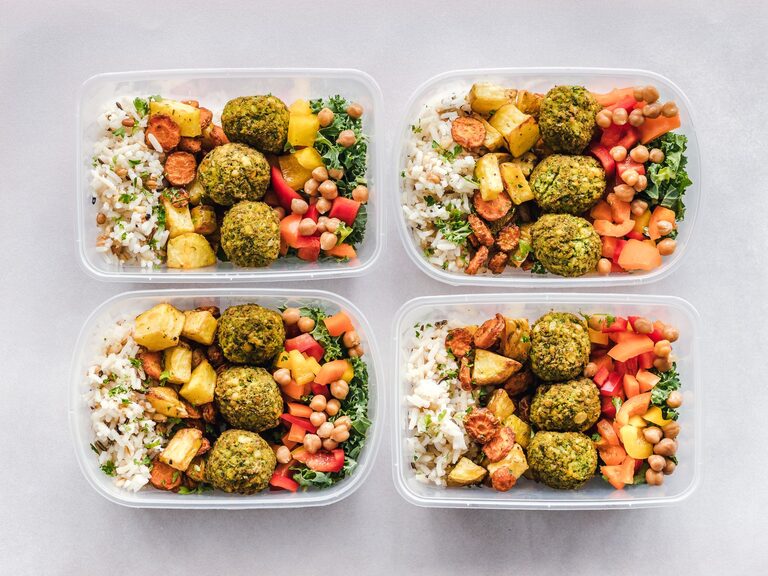
Store each component separately when possible. You can then combine them in different ways depending on your schedule and preferences.
For instance, cooked rice, roasted vegetables, and black beans can become a burrito bowl. Add greens and a simple dressing for a salad, or place the same ingredients in a tortilla for a wrap.
Easy Breakfasts to Prepare Ahead
Breakfast is often rushed, so make-ahead options can be especially useful. Choose recipes that are easy to portion and simple to reheat or eat cold.
Overnight Oats
Combine oats, milk or a milk alternative, yogurt, and your favorite toppings in jars or containers. Add fruit, cinnamon, nut butter, or seeds. Prepare several portions at once and store them in the refrigerator.
For variety, make different combinations, such as:
– Apple and cinnamon
– Banana and peanut butter
– Blueberry and vanilla
– Strawberry and coconut
Egg Muffins
Whisk eggs with chopped vegetables, cheese, and cooked meat or beans if desired. Pour the mixture into a greased muffin pan and bake until set. Once cooled, store the egg muffins in the refrigerator for quick breakfasts or snacks.
Freezer Breakfast Burritos
Fill tortillas with scrambled eggs, beans, cooked potatoes, vegetables, and cheese. Wrap each burrito individually and freeze them. Thaw overnight in the refrigerator, then reheat in the microwave or oven.
Quick Lunch Ideas
A good make-ahead lunch should travel well, taste good after storage, and require little effort during the day.
Mason Jar Salads
Layer salad ingredients in a jar, starting with dressing at the bottom. Follow with firm ingredients such as carrots, cucumbers, beans, or grains. Add softer ingredients and greens at the top. When ready to eat, shake the jar or pour it into a bowl.
This method helps keep leafy greens from becoming soggy. Prepare several jars at once, but keep delicate toppings such as croutons or avocado separate until serving.
Grain Bowls
Grain bowls are easy to customize and can be made from whatever you have available. Start with a cooked grain, then add vegetables, a protein, and a sauce.
Try combinations such as:
– Brown rice, roasted broccoli, chicken, and yogurt sauce
– Quinoa, chickpeas, cucumbers, tomatoes, and lemon dressing
– Couscous, roasted peppers, tofu, and herb sauce
Wraps and Sandwiches
Prepare fillings ahead of time, but assemble wraps and sandwiches close to when you plan to eat them. This helps prevent soggy bread. Keep wet ingredients, such as sauces or sliced tomatoes, separate until needed.
Make-Ahead Dinners
Dinner prep can be as simple as cooking one large dish and preparing ingredients for two faster meals.
Sheet Pan Meals
Place vegetables and a protein on a sheet pan, add seasoning, and roast everything together. This method reduces cleanup and makes it easy to prepare several servings.
Good combinations include:
– Chicken, carrots, and potatoes
– Sausage, peppers, and onions
– Tofu, broccoli, and sweet potatoes
– Fish, green beans, and cherry tomatoes
Store leftovers in individual containers for easy reheating.
One-Pot Pasta
One-pot pasta is practical for busy evenings because the ingredients cook together in one pan. Combine pasta, vegetables, a sauce, and your preferred protein. Make enough for several servings, then store leftovers in shallow containers so they cool quickly.
You can also prepare the sauce ahead of time and cook fresh pasta later in the week. Homemade tomato sauce, pesto, or a creamy vegetable sauce can turn a basic meal into something more satisfying.
Slow Cooker Meals
Soups, stews, chili, and shredded meats are convenient options for a slow cooker. Prepare the ingredients in the morning or the night before, then let the meal cook while you handle other tasks.
To create variety, serve the finished dish in different ways. Chili can be served with rice, over baked potatoes, or inside tortillas. Shredded chicken can be used in sandwiches, salads, or tacos.
Use the Freezer to Your Advantage
The freezer can help preserve meals and reduce waste. Freeze foods in portions that match your needs, and label each container with the name and date.
Foods that usually freeze well include:
– Soups and stews
– Cooked beans
– Rice and grains
– Pasta sauces
– Breakfast burritos
– Meatballs
– Baked casseroles
– Chopped fruits for smoothies
Allow hot food to cool before freezing, and use airtight containers or freezer bags. Leave a little space in containers because some foods expand as they freeze.
Keep Food Fresh and Easy to Find
Good storage makes meal prep more successful. Use clear containers when possible so you can see what is available. Place foods you plan to eat first near the front of the refrigerator.
A few helpful habits include:
– Store sauces separately from salads and grains.
– Keep cut vegetables in sealed containers.
– Use smaller containers for snacks and toppings.
– Label leftovers with the date.
– Freeze extra portions before they are forgotten.
– Make a “use first” section for foods that need attention.
When reheating leftovers, add a splash of water or broth to rice, pasta, and grains if they seem dry. Reheat only the portion you plan to eat so the rest stays fresh.
Create a Prep Routine That Works
Start with a routine you can maintain. A 60- to 90-minute prep session may be enough for many people. Begin by washing and chopping produce, then start cooking items that take the longest. While those cook, assemble snacks, sauces, or breakfast portions.
You do not need to prepare every meal in advance. Even a few small tasks can make busy days easier. Cooking a pot of rice, washing greens, or chopping vegetables can save time later.
The best meal prep plan is flexible. Use recipes as guides, switch ingredients based on what you have, and leave room for changes during the week. With a few prepared basics on hand, cooking becomes faster, simpler, and much less stressful.
About the Author